
When Content Strategy Was the Whole Campaign
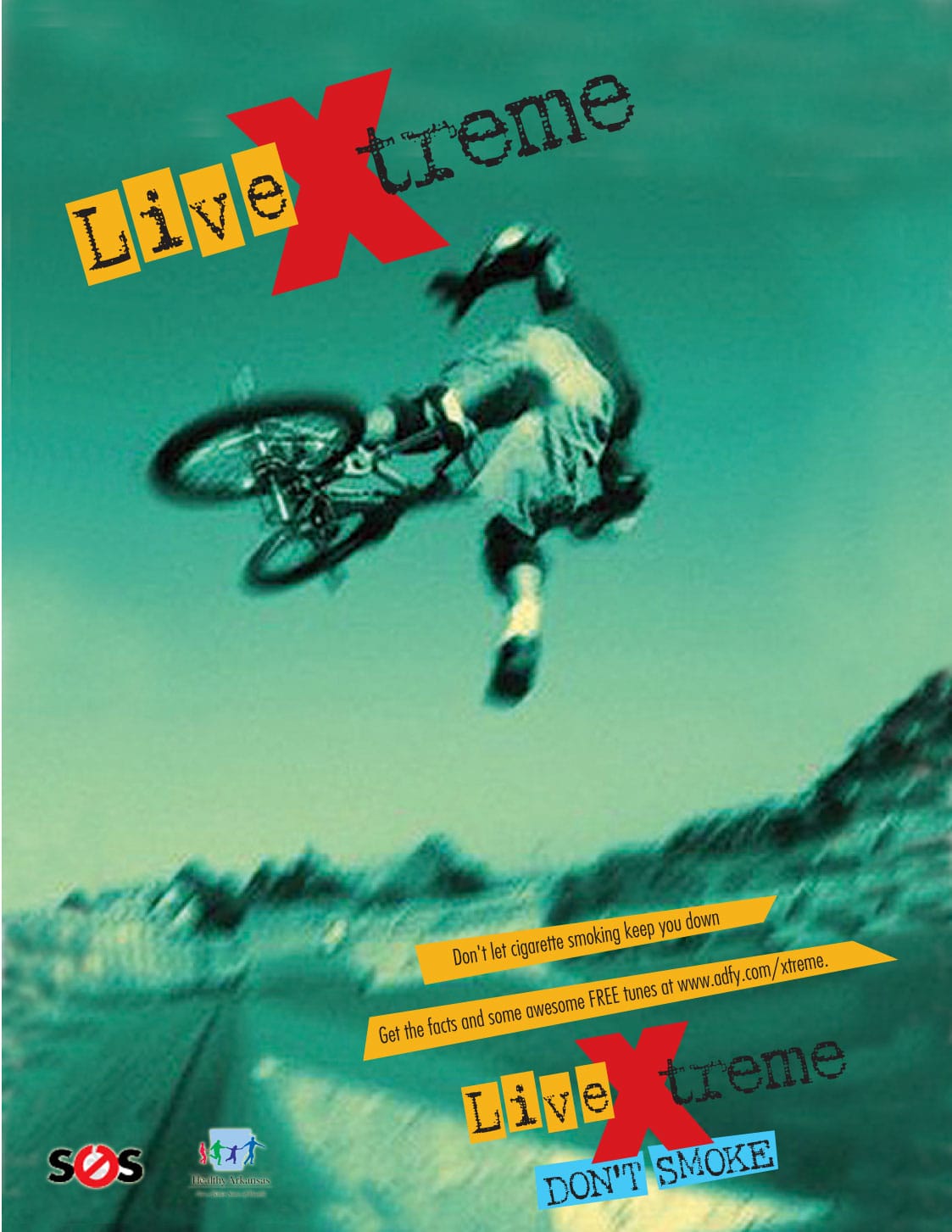
The Situation
The State of Arkansas needed to reduce smoking rates across six distinct audience segments simultaneously, each with different influencers, different behavioral goals, and different reasons to ignore the message. A single campaign couldn't work. Neither could scare tactics alone.
The strategic insight
Organizing by behavioral intent rather than demographics:
- Don't Start
- Stop
- Quit
Each tier required a different message architecture and different influencer channels. For teens and young adults specifically, the influencer wasn't authority as much as it was culture. We figured, based on ethnographic research, teens especially could be swayed by peer pressure and non-condescending text that laid out facts in relatable ways. This was critical for the campaign to work.
The CD Itself
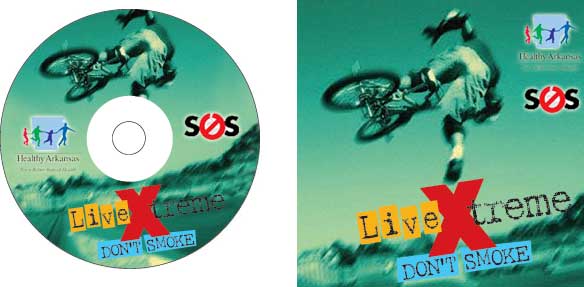
I designed the artwork and created artifacts for the proposal meeting. I built around a physical artifact that teens would actually want: a CD featuring local metal, hard core, and industrial bands to soundtrack extreme sports culture and physical activity for distribution through public schools. Our first target with the web and CDs was teens.
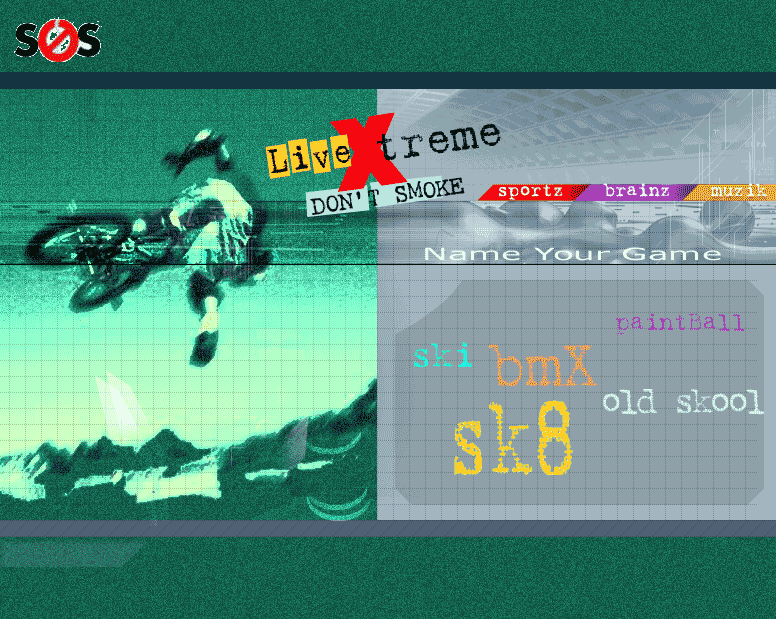
The CD would drive traffic to a website organized not by health messaging but by sport community: ski, bmX, sk8, paintball, etc. The health content lived inside the culture, not alongside it.
CD Demo Music
For the purposes of a demo, I produced CDs with music I created as filler. Upon writing this case study, I actually found the music. It may not slap by today's standards... Oh who am I kidding, it still does.
The Content Strategy
The website required a continuous content pipeline. I remember that during the pitch, I said, "Content is hard." I still say that because getting web-ready content has always been a mix of governance, SMEs, editors, and an editorial calendar. Here's how I solved that for them.
I proposed recruiting UAMS medical residents, professors, and students to produce original content about smoking and athletic performance, relationships, and daily activity. We wanted to cover extreme sports since they were the cultural focus at that time. However, we would create a pipeline where future topics were assigned to writers based on topics like sports, sex, health issues like asthma, and other impacts smoking has. This was a great contextual ecosystem by design: no boilerplate or content as a service, credible, specific, and sustainable.
The Outcome
The pitch wasn't accepted, but I still stand by this work because the content process still suffers from last minute realizations there is no real pipeline or process. They implemented something from another vendor, but I always wonder if that pipeline was established, if it would have stood the test of time. Notice how these days, other institutions use in-house medical experts to write content for patients, specifically Cleveland Clinic, the Mayo Clinic, and M.D. Anderson, to name a few.
Content is hard.